



Netflix, The Technology That Built It
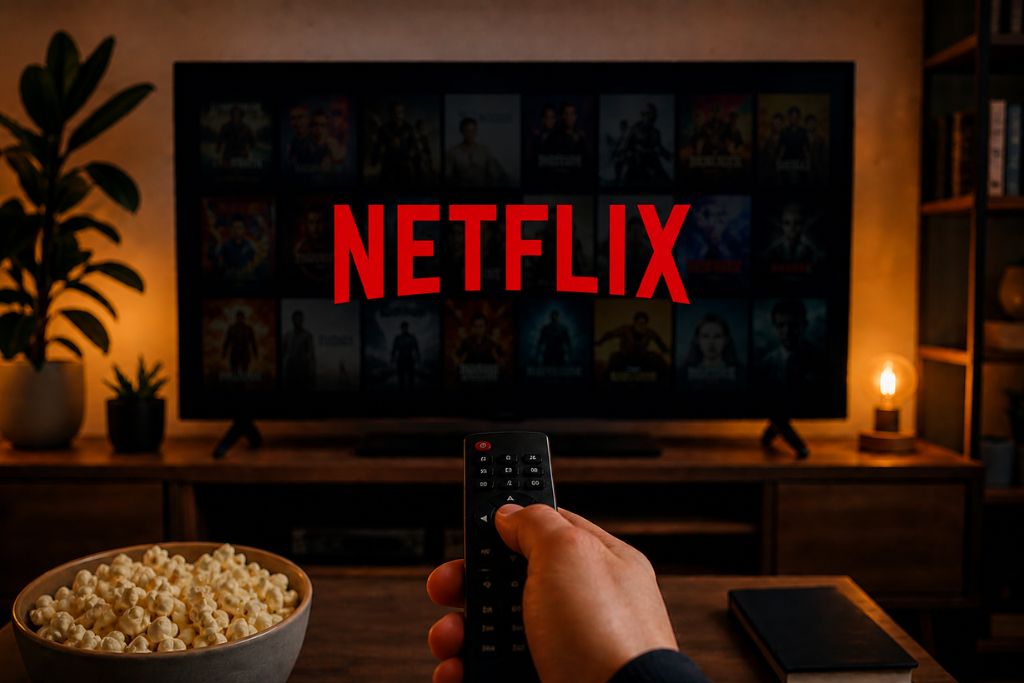
If you’ve streamed a movie on a lazy Sunday or binged an entire series overnight, you’ve already experienced what Netflix does best. At its core, Netflix is a subscription-based streaming service that delivers movies, TV shows, documentaries, and original content over the internet to millions of users worldwide. But what feels simple on the surface is powered by one of the most sophisticated technology ecosystems ever built.
This is not just a story about entertainment. It’s a story about engineering at scale.
From DVD Rentals to Streaming Giant
Netflix didn’t start as a streaming platform. In 1997, it was a DVD-by-mail service. The shift to streaming, which began around 2007, forced the company to rethink everything. Suddenly, it wasn’t about logistics anymore. It became about delivering high-quality video instantly, across different devices, networks, and geographies.
That transition required a complete technological reinvention.
The Backbone: Cloud Computing
One of the most defining decisions Netflix made was moving its infrastructure to the cloud. Instead of relying on physical data centers, Netflix runs almost entirely on Amazon Web Services (AWS).
This shift allows Netflix to scale effortlessly. Whether it’s a quiet weekday morning or a global premiere night, the platform can handle millions of simultaneous streams without crashing.
Cloud computing also enables:
- Rapid deployment of new features
- High availability and redundancy
- Global content distribution
In simple terms, the cloud gives Netflix elasticity. And elasticity is everything when demand is unpredictable.
You might be interested in: WeChat, Programming Languages That Built It
Microservices Architecture: Breaking It Down
Rather than building one massive application, Netflix uses a microservices architecture. This means the platform is made up of hundreds, even thousands, of small, independent services.
Each service handles a specific function:
- User authentication
- Recommendations
- Video playback
- Billing
This design makes Netflix incredibly resilient. If one service fails, it doesn’t bring down the entire system. It also allows engineers to update parts of the platform without disrupting the user experience.
Content Delivery: Streaming Without Friction
Streaming video globally is not trivial. Buffering, latency, and bandwidth limitations can ruin the experience. To solve this, Netflix built its own Content Delivery Network (CDN) called Open Connect.
Open Connect places servers closer to users around the world. Instead of pulling content from a distant location, your device streams from a nearby server. The result is faster load times and smoother playback.
It’s a quiet innovation, but one you feel every time your video plays instantly.
Data and Personalization: The Recommendation Engine
If you’ve ever thought, “Netflix just gets my taste,” you’re not imagining things.
Netflix uses advanced machine learning algorithms to analyze:
- What you watch
- When you watch
- How long you watch
- What you skip
This data feeds into a recommendation system that personalizes your homepage. No two users see the same Netflix.
This system is built on large-scale data processing frameworks and predictive modeling. It’s constantly learning, adjusting, and refining.
Chaos Engineering: Preparing for Failure
Here’s something unusual. Netflix assumes things will fail.
To prepare for this, they pioneered a concept called Chaos Engineering. Tools like Chaos Monkey intentionally break parts of the system in controlled ways to test resilience.
It sounds counterintuitive, but it works. By simulating failures, Netflix ensures the platform can survive real-world disruptions without affecting users.
DevOps Culture: Speed Meets Stability
Technology alone doesn’t explain Netflix’s success. Their engineering culture plays a huge role.
Netflix embraces DevOps practices, which means:
- Continuous integration and deployment
- Automation of testing and releases
- Collaboration between development and operations
Engineers can push updates quickly, sometimes thousands of times per day, without compromising stability. That balance between speed and reliability is difficult to achieve, yet Netflix does it consistently.
Video Encoding and Optimization
Streaming isn’t just about sending video. It’s about sending the right video quality based on your internet speed and device.
Netflix uses advanced video encoding techniques to compress files without losing quality. It also adapts streams in real time using adaptive bitrate streaming.
So if your network slows down, Netflix adjusts the video quality automatically instead of stopping playback.
Artificial Intelligence in Content Creation
Beyond recommendations, Netflix is increasingly using AI to inform content decisions. From predicting what genres will perform well to optimizing thumbnails for engagement, data influences nearly every aspect of the platform.
Even creative processes are touched by technology.
Security and DRM Protection
With valuable content comes the need for strong security. Netflix uses Digital Rights Management (DRM) technologies to prevent piracy and protect intellectual property.
Encryption, secure streaming protocols, and authentication systems ensure that content is only accessible to paying users.
The Real Innovation: Integration
What makes Netflix remarkable isn’t any single technology. It’s how all these pieces come together.
Cloud computing. Microservices. Machine learning. CDN infrastructure. DevOps culture.
Individually, these are powerful. Together, they create a seamless experience that feels almost invisible to the user.
On a final note, Netflix looks simple. You click, you watch, you enjoy. But beneath that simplicity lies a deeply complex and carefully engineered system.
It’s a reminder that great technology often hides itself. The best platforms don’t make you think about how they work. They just work.
And in Netflix’s case, that quiet excellence is exactly what keeps millions coming back every day.
