


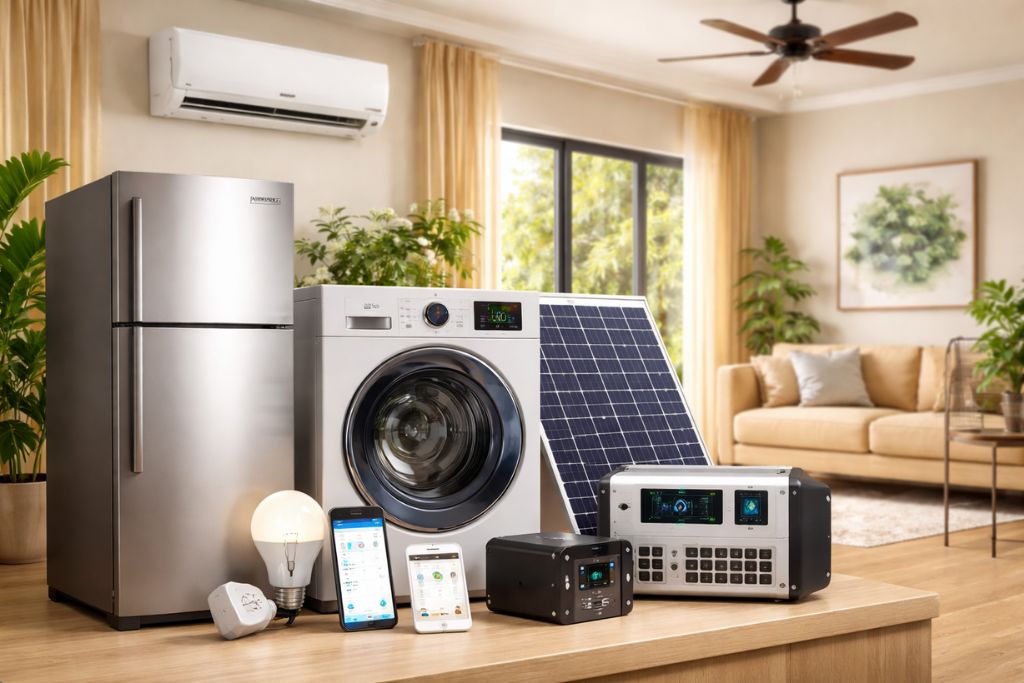
Top Energy-Efficient Tech Devices for Nigerian Homes in 2026
In a country where electricity costs remain high and power supply can be unpredictable, energy-efficient technology isn’t just a luxury — it’s a necessity. Whether you’re in Lagos, Abuja, Port Harcourt, Kano, or anywhere across Nigeria, choosing the right tech devices can significantly cut your bills, improve comfort, and boost sustainability in 2026.
This comprehensive post will guide you on how to save money, reduce energy use, and power your home smarter in Nigeria
1. Inverter Air Conditioners — Stay Cool Without Bulky Bills
Air conditioners are essential during Nigeria’s hot seasons, but older models gulp power. Inverter ACs adjust cooling output based on room temperature, using significantly less energy than traditional units — as much as 30–50% savings.
Why Nigerians love them:
-
Lower energy draw = smaller utility bill
-
Better performance with solar systems or generators
-
Longer lifespan than traditional ACs
Tip: Combine an inverter AC with a programmable thermostat or timer to maximize savings.
2. Energy-Saving Refrigerators — Round-the-Clock Efficiency
Refrigerators run 24/7, making them one of the biggest electricity consumers in Nigerian homes. Modern inverter compressor fridges optimize power usage and can reduce energy consumption by up to 40% compared to older models.
Look for:
-
High efficiency / energy ratings
-
Inverter technology
-
Smart sensors and temperature control
These features help your fridge deliver optimal performance without breaking the bank on power bills.
3. LED Lighting & Smart Bulbs — Instant Savings
Switching to LED lighting is one of the easiest and most effective ways to cut household power use. LED bulbs use up to 80% less electricity than traditional incandescent bulbs and last much longer.
Add smart control for extra benefits:
-
Schedule lights to turn off automatically
-
Dim levels for ambient settings
-
Integration with mobile apps or home assistants
LED lights are affordable, widely available across Nigerian markets, and a starter upgrade with immediate impact on bills.
4. Inverter Washing Machines — Clean Clothes, Less Power
Traditional washers can be energy and water guzzlers. Inverter washing machines adjust power based on load size, saving up to 30–35% on energy while also reducing water use.
Pro tip: Wash full loads and use cold water cycles to maximize savings and reduce electricity use further.
5. Solar-Ready Devices & Hybrid Systems — Power When the Grid Fails
With grid instability still a reality in many Nigerian cities, pairing energy-efficient devices with a solar system or inverter setup is a smart investment. Solar-ready or hybrid smart appliances help you get the most out of your solar panels and battery storage — and cutting fossil fuel costs.
Products to consider:
-
Solar-compatible fridge and AC
-
Inverters + batteries sized for heavy appliances
-
LED lighting strips and solar gadgets
This combination not only reduces dependency on diesel generators but also slashes monthly power bills.
6. Smart Plugs & Energy Monitors — Control & Track Power Use
Energy management starts with visibility. Smart plugs or energy monitors can tell you exactly how much power each appliance uses.
Benefits:
-
Identify energy hogs
-
Automate on/off schedules
-
Track usage trends over time
Pair them with your smartphone for remote control — especially helpful when outages are common or when you’re away from home.
7. Portable UPS & High-Efficiency Fans — Affordable Everyday Wins
Not all energy-efficient tech has to be expensive. High-efficiency ceiling and standing fans offer excellent cooling with a fraction of AC power costs.
Additionally, quality portable UPS systems ensure your router, lights, or essential devices stay powered during brief outages — keeping your home functional without a generator.
Take advantage these energy-efficient tech devices and more. They will help you save money, reduce energy use, and power your home smarter in Nigeria.
You may be interested in: Top Cybersecurity Solutions for Nigerian Businesses in 2026
