

How Graphic Designers Can Build Premium Brand Identities Faster
Creating a premium brand identity isn’t simply about designing a beautiful logo. If it were, almost every business with an attractive logo would immediately become memorable. In reality, branding goes much deeper. It shapes how customers recognise a business, how they feel about it, and, over time, whether they choose it over competitors.
For graphic designers, the challenge is rarely a lack of creativity. More often, it’s the pressure to deliver thoughtful, consistent work within increasingly shorter timelines. Clients want polished results quickly, but they also expect originality. Balancing both can feel demanding unless you have a reliable process.
The encouraging part is that speed doesn’t always require cutting corners. More often than not, it comes from working with intention.
Start With Strategy Before Opening Your Design Software
Many new designers jump straight into Illustrator or Photoshop as soon as a project arrives.
It feels productive, but it usually creates more revisions later.
Instead, spend time understanding:
- The company’s mission
- Target audience
- Industry competitors
- Brand personality
- Customer expectations
A luxury fashion label shouldn’t communicate like a logistics company. Likewise, a children’s learning platform shouldn’t resemble a corporate law firm. Those differences become much clearer when strategy comes first.
Build a Strong Discovery Process
Premium branding begins with asking better questions.
Find out:
- What makes the business different?
- What emotions should customers feel?
- Which competitors do they admire?
- Which colours should be avoided?
- Where will the brand appear most often?
Sometimes clients don’t have immediate answers, and that’s perfectly normal. Part of a designer’s value lies in helping businesses discover those answers rather than expecting them to arrive with a complete vision.
Create Flexible Design Systems
Professional designers rarely design everything from scratch.
Instead, they build reusable systems.
A brand identity might include:
- Logo variations
- Colour palette
- Typography
- Icon style
- Photography direction
- Social media templates
- Presentation layouts
- Brand guidelines
Once these pieces fit together, producing future marketing materials becomes significantly faster.
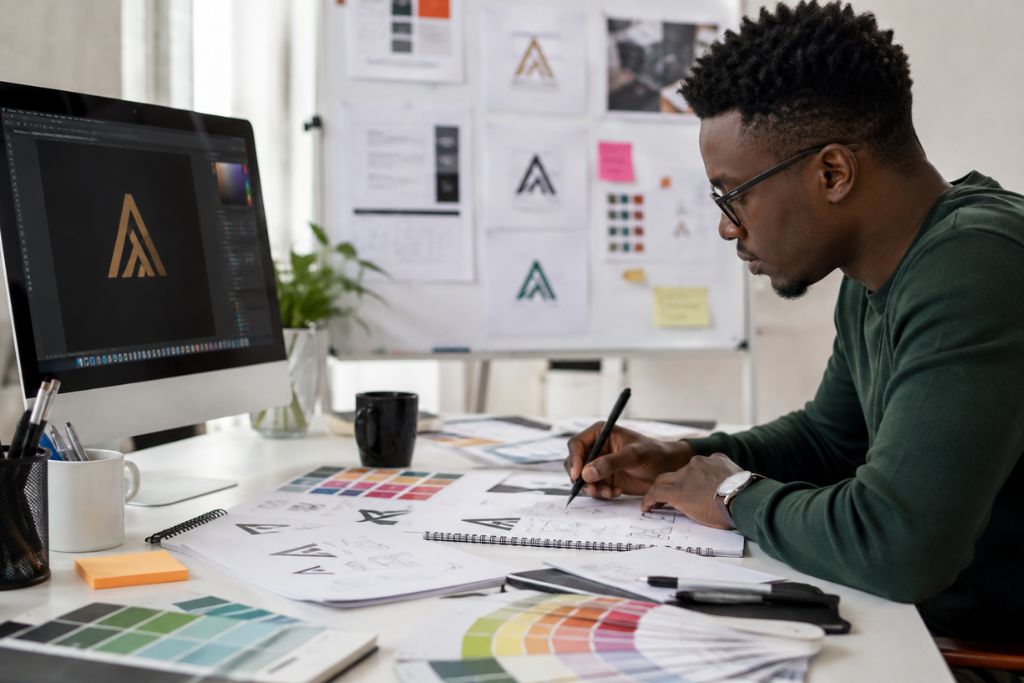
Use Mood Boards Early
Mood boards reduce confusion before detailed design begins.
Collect inspiration that reflects:
- Typography
- Colour combinations
- Photography styles
- Layout direction
- Brand personality
This simple step often prevents major revisions later because everyone develops a shared understanding before substantial design work starts.
Master Typography
Typography quietly influences how people perceive quality.
Luxury brands often rely on thoughtful spacing, hierarchy, and restraint rather than decorative fonts.
Choosing two complementary typefaces and using them consistently generally creates a stronger identity than mixing six unrelated fonts.
Sometimes simplicity communicates confidence more effectively than visual complexity.
Develop Colour With Purpose
Colour should support the brand’s personality instead of following temporary design trends.
Financial institutions often prioritise stability and trust.
Creative agencies may embrace brighter, more expressive palettes.
Healthcare organisations frequently lean towards colours associated with calmness and reassurance.
Context matters. The same colour can communicate different ideas depending on the audience and industry.
Create Comprehensive Brand Guidelines
Premium brands remain consistent because everyone follows the same standards.
Brand guidelines typically include:
- Logo usage
- Colour specifications
- Typography rules
- Image style
- Spacing requirements
- Icon treatments
- Social media applications
Without documentation, consistency gradually disappears as different people create new marketing materials.
Learn Modern Design Tools
Technology continues improving creative workflows.
Today’s designers often combine traditional design software with AI-assisted tools for brainstorming, mock-ups, image enhancement, or repetitive production tasks. That doesn’t replace creativity. It simply removes some of the repetitive work, allowing designers to spend more time refining ideas.
The strongest identities still come from human judgment. Knowing when to simplify, when to challenge a client’s assumptions, or when to leave a design alone isn’t something software can fully automate.
You might also be interested in: How to Become a Professional Graphics Designer
Build a Portfolio That Shows Thinking
Potential clients appreciate polished visuals, but they also want to understand your process.
Instead of displaying only finished logos, explain:
- The business challenge
- Research conducted
- Design decisions
- Brand strategy
- Final outcomes
Showing your reasoning demonstrates professionalism and often makes your work more persuasive than a gallery filled with attractive images alone.
Keep Refining Your Skills
Design trends evolve, but good principles tend to endure.
Study branding projects from different industries. Analyse why certain identities remain recognisable years after they were created. Experiment with new tools, but don’t let every trend dictate your style. A thoughtful designer knows when to embrace change and when to rely on timeless design fundamentals.
Final Thoughts
Building premium brand identities faster isn’t about rushing through projects. It’s about reducing unnecessary back-and-forth, making informed design decisions early, and developing systems that keep your work consistent from one project to the next.
Clients remember designers who solve business problems, not just those who produce attractive visuals. When strategy, creativity, and technical skill come together, the final identity feels intentional rather than assembled.
For aspiring creatives who want to build those skills professionally, GreenWare Tech Academy provides the right environment to learn graphic design from experienced instructors. With practical training, industry-focused projects, and mentorship that reflects real client expectations, GreenWare Tech Academy equips students to become professional graphic designers of high repute, capable of creating premium brand identities that stand out in today’s competitive marketplace. Contact GreenWare Tech here.
