



Exploring Netflix Programming Languages
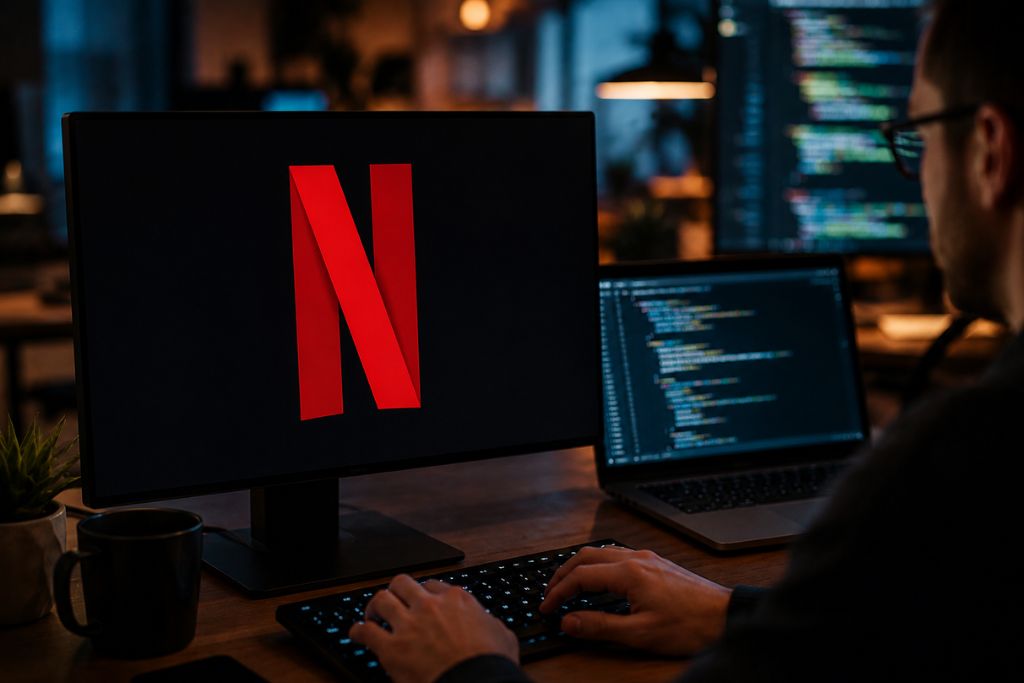
Netflix is one of those platforms that most people use without thinking much about what happens behind the screen. You open the app, choose a movie or series, press play, and within seconds, content starts streaming smoothly to your device.
What many users don’t realize is that behind this seemingly simple experience is one of the most sophisticated software infrastructures in the world. Serving hundreds of millions of subscribers across different countries, devices, and internet conditions requires an enormous amount of engineering power.
At the heart of that engineering are programming languages. Netflix relies on a carefully selected mix of languages, each chosen for specific tasks that help keep the platform fast, reliable, and scalable.
Let’s take a closer look at the Netflix programming languages that power one of the world’s largest streaming services.
Why Netflix Uses Multiple Programming Languages
There is no single programming language capable of handling every aspect of a platform as large as Netflix. Different parts of the system have different requirements.
For example:
- Streaming video requires high-performance systems.
- User interfaces need responsive front-end technologies.
- Recommendation engines process massive amounts of data.
- Cloud infrastructure must remain available around the clock.
Instead of forcing one language to do everything, Netflix uses the best tool for each job.
This approach allows its engineering teams to build systems that are efficient, maintainable, and capable of evolving as technology changes.
Java: The Foundation of Netflix’s Backend
When discussing Netflix’s technology stack, Java is impossible to ignore.
For years, Java has been the backbone of Netflix’s server-side architecture. Many of Netflix’s microservices are built using Java because of its reliability, scalability, and mature ecosystem.
Java helps Netflix manage:
- User accounts
- Content management systems
- Billing services
- Streaming infrastructure
- Backend APIs
One of the reasons Netflix engineers continue to rely on Java is its ability to handle large-scale distributed systems. Since millions of users access the platform simultaneously, stability is critical.
Combined with cloud technologies, Java provides the foundation needed to keep Netflix running smoothly around the globe.
Kotlin: Modern Development for the Cloud Era
In recent years, Netflix has increasingly embraced Kotlin.
Developed as a modern alternative to Java, Kotlin offers cleaner syntax, improved developer productivity, and fewer opportunities for coding errors.
Netflix uses Kotlin for several backend services because it integrates seamlessly with existing Java systems while making development faster and more efficient.
For engineering teams working on complex cloud applications, Kotlin delivers many of the benefits of modern programming without requiring a complete rewrite of legacy systems.
JavaScript: Powering the Netflix User Experience
Every time you browse categories, search for a title, or scroll through recommendations, JavaScript is working behind the scenes.
JavaScript plays a major role in Netflix’s front-end development. It helps create responsive, interactive interfaces that work consistently across devices.
Netflix uses JavaScript technologies to:
- Build web applications
- Create dynamic user interfaces
- Improve page responsiveness
- Deliver seamless user experiences
The company’s focus on performance means its front-end teams continuously optimize JavaScript code to ensure fast loading times and smooth navigation.
Node.js: Supporting High-Speed Operations
Netflix is also known for its adoption of Node.js.
Node.js allows developers to run JavaScript on the server side, making it particularly useful for handling large numbers of simultaneous requests.
One famous example occurred when Netflix migrated portions of its user interface layer from Java to Node.js. The result was significantly improved startup times and reduced development complexity.
The move demonstrated how selecting the right technology can produce measurable performance gains at scale.
Python: Driving Data Science and Machine Learning
Personalization is one of Netflix’s greatest strengths.
The platform recommends movies, suggests television series, and even personalizes artwork based on viewing habits.
Much of this intelligence is powered by Python.
Netflix uses Python extensively for:
- Machine learning
- Artificial intelligence
- Data analytics
- Automation
- Recommendation systems
Python’s extensive ecosystem of data science libraries makes it ideal for processing the enormous amounts of information generated by user activity every day.
Without these data-driven systems, Netflix would struggle to deliver the highly personalized experience that subscribers have come to expect.
Scala: Handling Big Data Workloads
Netflix processes staggering volumes of data every second.
To manage this information efficiently, the company has utilized Scala for large-scale data processing systems.
Scala combines object-oriented and functional programming principles, making it particularly effective for distributed computing environments.
It works well alongside technologies such as Apache Spark, enabling Netflix engineers to analyze viewing behavior, monitor system performance, and improve recommendation accuracy.
C and C++: Performance Where It Matters Most
While higher-level languages dominate much of Netflix’s software stack, lower-level languages still play an important role.
C and C++ are often used in performance-critical areas where speed and resource efficiency are essential.
These languages contribute to:
- Video encoding
- Media processing
- Streaming optimization
- Device-level integrations
Because video streaming demands exceptional performance, these languages remain valuable components of Netflix’s technology ecosystem.
SQL: Managing Massive Amounts of Data
Behind every Netflix profile, recommendation, and viewing history is a vast amount of stored information.
SQL remains a key technology for querying and managing structured data across various systems.
Whether tracking user preferences or supporting analytics operations, database technologies continue to play a vital role in the platform’s daily operations.
The Real Secret: Microservices Architecture
While programming languages are important, Netflix’s true engineering advantage lies in how these technologies work together.
The company pioneered large-scale microservices architecture, breaking its platform into hundreds of independent services.
Each service can use the language best suited for its function.
This flexibility allows Netflix engineers to innovate quickly, deploy updates independently, and maintain reliability even when parts of the system experience issues.
It’s one of the reasons Netflix has become a benchmark for cloud-native software development worldwide.
Final Thoughts
Netflix is far more than a streaming platform. It is a technology powerhouse built on a carefully selected combination of programming languages and engineering practices. These Netflix programming languages have different roles they play.
Java provides stability. Kotlin improves productivity. JavaScript and Node.js enhance user experiences. Python powers artificial intelligence. Scala handles big data, while C and C++ deliver high-performance media processing.
Together, these technologies enable Netflix to serve millions of viewers seamlessly every day.
The next time you sit down to watch your favorite series, remember that behind every click, recommendation, and stream is a sophisticated network of software built by some of the world’s most talented engineers.
Exporing Netflix programming languages is a follow-up topic to Netflix, The Technology That Built It, more like a second part of the article. Do well to read it here if you haven’t.
